
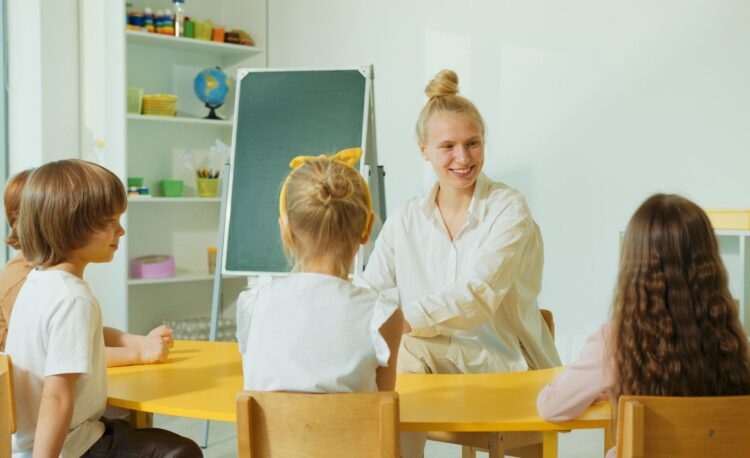
Children experience a wide range of emotions from an early age. They feel excitement, frustration, sadness, and joy in ways that can sometimes feel overwhelming. Without proper guidance, these emotions can affect behavior, learning, and relationships. Schools often focus heavily on academic development, while emotional skills receive less attention. However, emotional regulation is just as important as reading or mathematics. Teaching children how to understand and manage their emotions early can create lasting benefits. Understanding why teaching emotional regulation should start in primary education highlights its importance in building stronger, more resilient individuals.
Building Emotional Awareness Early
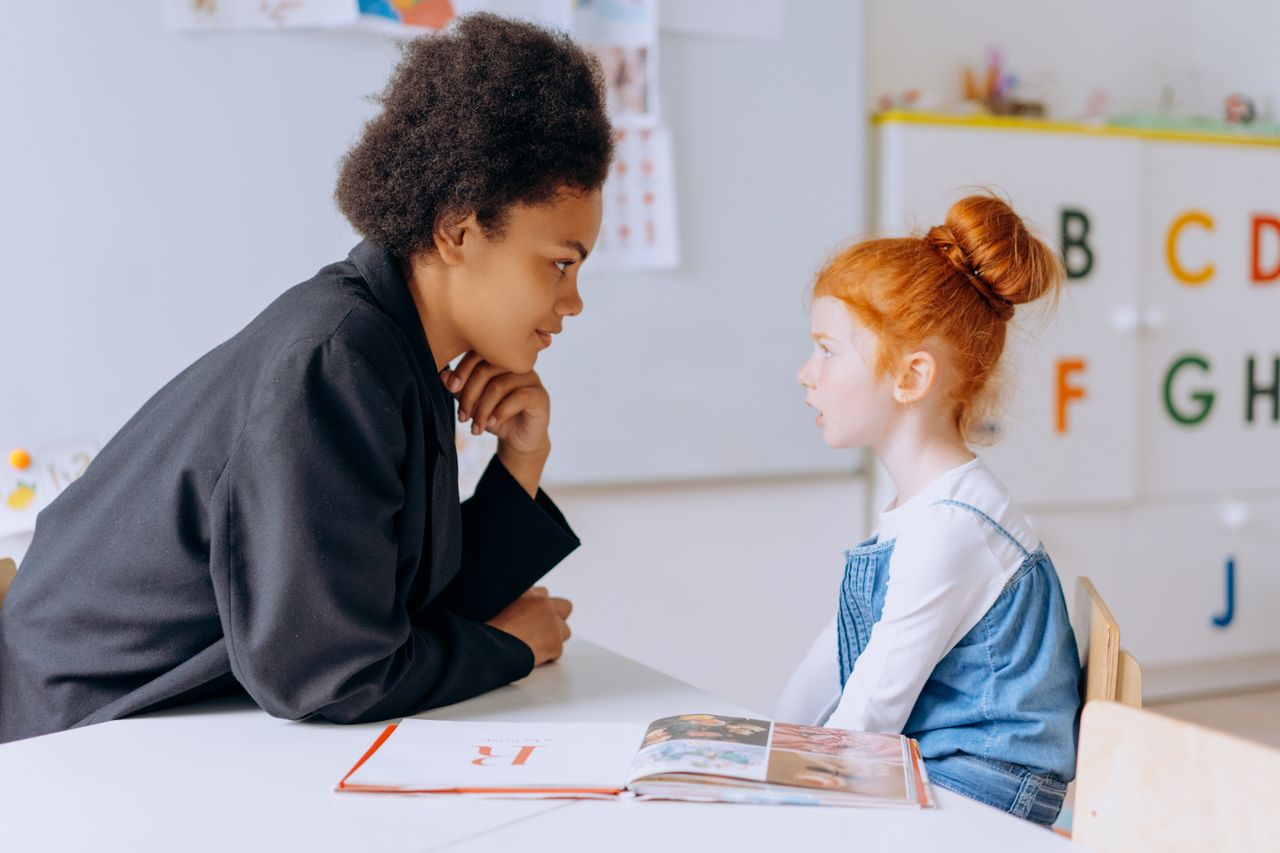
Emotional regulation begins with emotional awareness. Children must first understand what they are feeling before they can manage it effectively. In primary education, students are at a developmental stage where they are learning to identify basic emotions. Teachers can help children recognize feelings such as anger, sadness, happiness, and fear. This awareness allows students to express emotions in a healthy way rather than reacting impulsively. Early emotional education creates a foundation for better self-understanding later in life. When children learn to name their emotions, they gain more control over how they respond.
Improving Classroom Behavior and Learning
Emotional regulation plays a direct role in how children behave in the classroom. Students who struggle with emotions may find it difficult to concentrate or follow instructions. Teaching emotional regulation helps reduce disruptive behavior and improve focus. Children learn techniques to calm themselves when they feel overwhelmed or frustrated. This creates a more positive learning environment for both students and teachers. Better emotional control also leads to improved academic performance. When students feel emotionally balanced, they are more likely to engage in lessons and complete tasks effectively. A stable emotional environment supports overall educational success.
Strengthening Social Skills and Relationships
Primary school is often the first place where children develop meaningful social interactions outside their families. Emotional regulation helps children communicate more effectively with peers. It teaches them how to manage conflicts, share, and cooperate in group activities. Children who can control their emotions are less likely to react aggressively during disagreements. Instead, they learn to express their feelings calmly and respectfully. These skills help build stronger friendships and healthier classroom relationships. Positive social interactions also contribute to a more supportive school environment.
Reducing Stress and Anxiety in Children
Children can experience stress and anxiety from academic pressure, social situations, or personal challenges. Without emotional regulation skills, these feelings can become overwhelming. Teaching emotional regulation helps children develop coping strategies for stress. They learn techniques such as deep breathing, pausing before reacting, and positive self-talk. These tools help them manage difficult situations more effectively. Early stress management skills can prevent emotional difficulties from becoming long-term issues. Children who understand how to regulate emotions are often more confident and resilient.
Supporting Long-Term Mental Health
Emotional regulation in childhood has long-term effects on mental health. Skills learned early often continue into adolescence and adulthood. Children who understand their emotions are better prepared to handle life challenges. They are less likely to develop harmful coping habits when faced with stress. Emotional regulation also supports self-esteem and personal growth. Over time, these skills contribute to stronger mental well-being and stability. Early emotional education helps build a foundation for lifelong mental health resilience.
Preparing Children for Future Success
Success in life depends on more than academic knowledge. Emotional intelligence plays a major role in personal and professional achievements. Children who learn emotional regulation early are better equipped to handle challenges in adulthood. They develop patience, empathy, and problem-solving skills. These qualities are valuable in school, relationships, and future workplaces. Emotional regulation also improves leadership and communication abilities. By starting emotional education in primary school, students are given tools that benefit them throughout their lives. This early preparation helps shape confident and capable individuals.
Teaching emotional regulation in primary education is essential for a child’s overall development. It supports emotional awareness, improves classroom behavior, strengthens social skills, reduces stress, and promotes long-term mental health. These skills help children navigate both academic and personal challenges more effectively. When emotional regulation is introduced early, it becomes a natural part of a child’s development rather than a skill learned later in life. As education continues to evolve, emotional learning should be given the same importance as academic subjects. Building emotional strength from a young age prepares children for a healthier, more balanced future.